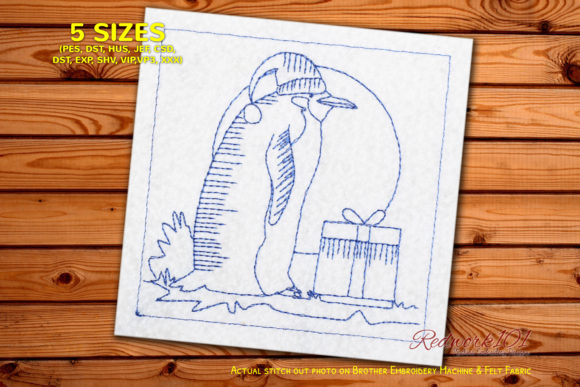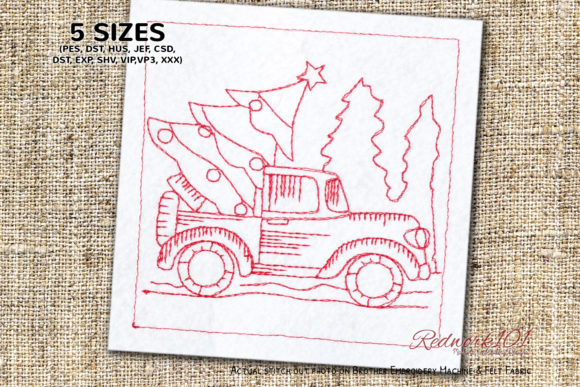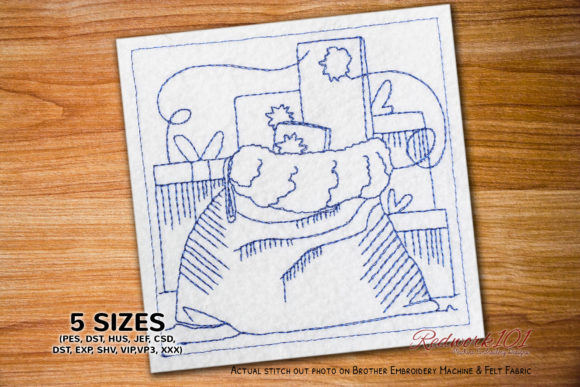
Elf with Gift Bluework Review
A Designer’s First Look: Charm, Clarity, and Christmas Warmth
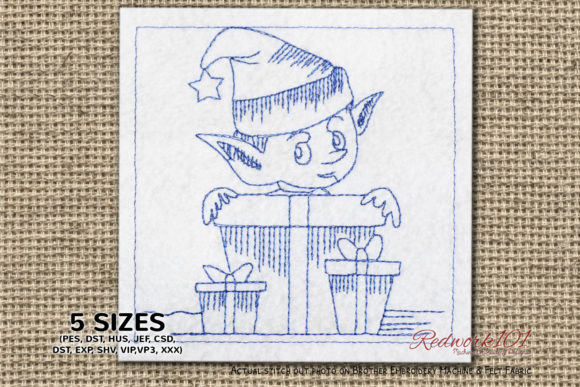
Opening the Elf with Gift Bluework file felt like unwrapping a small, thoughtful present—quietly joyful, gently nostalgic, and unmistakably handmade. This isn’t a flashy, over-the-top holiday motif. Instead, it carries a soft-spoken sweetness: a delicately posed elf holding a wrapped gift, rendered in classic bluework style—clean lines, subtle shading, and intentional negative space. It reads as both timeless and tender—ideal for customers who value quiet elegance over cartoon exuberance. The mood lands squarely between cozy and commemorative: perfect for a baby’s first Christmas, a wedding guest book cover, or a linen kitchen towel meant to hang in a farmhouse kitchen for years.
Where This Design Truly Shines
Elf with Gift Bluework is remarkably versatile across personalized gift categories—especially when emotional resonance matters more than mass appeal.
- Baby embroidery: Stitched on organic cotton swaddle blankets or muslin nursery bags, it adds heirloom charm without overwhelming delicate scale. The clean outline holds up beautifully at 3–4 inches tall.
- Wedding gift: Embroidered onto ivory linen pillow covers or monogrammed napkin sets, it brings whimsical warmth to rustic-chic or vintage-themed celebrations—think “our first Christmas as Mr. & Mrs.”
- Personalized towels & aprons: On flour-sack or waffle-weave kitchen towels, the design pops with clarity. On chef-style aprons, it becomes a conversation starter—playful yet polished.
- Nursery decor & keepsakes: Works seamlessly on wooden growth charts (with iron-on transfer), framed hoop art, or embroidered storybook covers. Its bluework aesthetic avoids seasonal cliché while still whispering “Christmas.”
- Etsy seller & craft fair advantage: As a digital embroidery file, it pairs effortlessly with printable mockups—letting buyers visualize it on a tote bag before purchase. That builds trust fast.
Smart Placement Matters: Know Where to Pause
This design rewards intentionality. While its charm is broad, success hinges on mindful application:
- Avoid dense fabric textures: Heavy terry cloth or thick woven blankets may mute fine line work—test stitch density first. For blanket embroidery, choose smooth cotton or bamboo blends.
- Steer clear of stretchy baby clothes: The clean geometry of Elf with Gift Bluework relies on stable fabric. Skip knits unless you’re using high-quality cutaway stabilizer and reducing stitch speed.
- No curved surfaces without testing: Mugs, ornaments, or contoured tote straps distort delicate outlines. Stick to flat, taut surfaces—pillow covers, tea towels, flat-front aprons.
- Dark fabric? Double-check contrast: Bluework traditionally shines on light backgrounds. If stitching on charcoal or navy, confirm thread colors offer enough definition—especially around the gift wrap details.
- Frequent-wash items need reinforcement: For embroidered towels or baby bibs, use tear-away + cutaway combo stabilizer and lock stitches securely. The Box Stitch shown in the product image is optional—but if included, ensure it’s not overly dense for high-laundering items.
Why Customers Connect—and Return
Elf with Gift Bluework doesn’t just decorate—it invites meaning. Unlike generic snowflakes or bold slogans, it tells a micro-story: care, anticipation, quiet giving. That emotional hook elevates perceived value instantly. A customer ordering this for a newborn isn’t buying thread and fabric—they’re investing in a symbol of their first family tradition. For Etsy sellers, that translates to stronger product photography (soft lighting + natural linen background highlights its handcrafted soul), higher engagement on listings (“so sweet!” “perfect for our nursery”), and repeat orders from clients building curated gift collections.
It also signals quality to discerning buyers. The precision of bluework implies attention to detail—making handmade products feel more intentional, more trusted. When paired with a handwritten note or custom packaging, this design helps small shop products stand out in crowded feeds and holiday markets.
Practical Notes Every Embroiderer Should Run Through
Before stitching your first customer order—or uploading to your digital shop—here’s what I did (and recommend you do too):
- Test on scrap fabric that matches your intended product—same weight, weave, and pre-wash status.
- Compare thread color contrast on both light and dark fabric swatches. Don’t assume default palettes will read clearly.
- Confirm hoop size compatibility. Some versions include an outer box frame—the color of which is often customizable or skippable. Verify whether that element fits your standard hoop.
- Review stitch density visually. Zoom in on the elf’s face and gift ribbon. Overly dense fills can blur detail; too sparse risks fraying on high-use items.
- Use appropriate stabilizer. Light tear-away works for linens; medium cutaway is safer for towels or baby items.
- Check small details post-stitch. The elf’s fingers, bow loops, and gift wrap creases should remain distinct—not fused or fuzzy.
- Confirm commercial licensing. Since you’re selling finished products or digital embroidery files, verify usage rights before listing on Etsy or bundling into kits.
Final Thought: A Thoughtful Tool, Not Just a Trend
Elf with Gift Bluework isn’t just another Christmas embroidery file—it’s a quiet invitation to slow down, personalize meaningfully, and stitch with intention. It suits makers who value craftsmanship over speed, emotion over excess, and heirlooms over one-season decor. Whether you’re embroidering a baby’s first holiday keepsake or curating a boutique collection of wedding gifts, this design earns its place in your library—not because it’s trendy, but because it feels true. And in a market flooded with noise, that authenticity is the most valuable thread of all.